
- AI Image GeneratorAI Character
- AI Video Generator
- AI Image ToolsAI Video ToolsAI Face SwapOther Tools
 AI Image Generator
 AI Character
 AI Art
 AI Video Generator
 Other Tools
- AI Image Generator
- AI Art
- AI Video Generator
- AI Video Effects
- AI Image Tools
- AI Video Tools
- Other Tools
- Start Now
10 Best Anime Characters to Inspire You in 2026
 SprakinsLast Updated: 2026/09/21
What makes the best anime characters unforgettable? It's rarely raw power but the mix of iconic visual design, a distinctive personality, and an emotional pull that stays with you long after the show ends.
But knowing what makes a character great and actually building one are two different things. Whether you draw by hand or use an AI character generator, you’ve probably faced the same problem: it's hard to keep consistent character.
This guide will introduce you to different types of anime characters and help you build a simple workflow for creating your own standout characters in 2026.
What it Means to be the Best Anime Characters?
What Does Best Really Mean?
How do we define the best? Many fans misunderstand the true meaning of this word. Being the best does not always mean having the strongest abilities or the highest popularity.
The best anime character is a layered idea:
- Design impact: Can you recognize the character from a silhouette or a single color?
- Narrative weight: Do the character's decisions change the story in a meaningful way?
- Cultural reach: Has the character transcended their series?
- Emotional staying power: Do you still think about this character years after watching?
None of these dimensions are about being the strongest fighter or the most popular in a seasonal poll. They're about whether the character matters to their story, the medium, and the audience.
What Makes an Anime Character Truly Memorable?
What actually makes a character memorable? The best anime characters should be equipped with the following three aspects.
1. Unique Visual Design
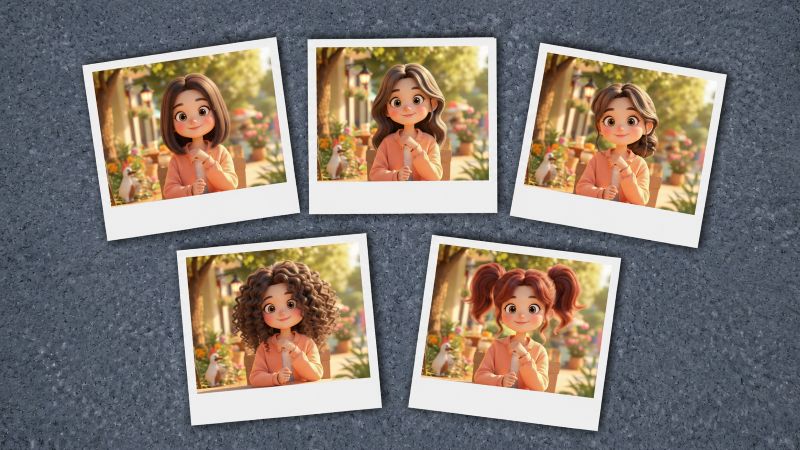
A character's appearance is usually the first thing that grabs audience's attention. Even changing the hairstyle can give the audience different feelings.
2. Distinctive Personalities and Styles
A memorable anime character is not defined by appearance alone. A memorable character has internal logic; their actions make sense given who they are and where they came from. This requires:
- A defined motivation
- Flaws that create conflict and room for growth
- A backstory that explains their worldview
Have you noticed that characters without depth often seem unfinished or flat?
3. Emotional Resonance with the Audience
The best characters make you feel something, such as admiration, frustration, sympathy, even dislike.
This resonance usually comes from relatable struggles: a hero doubting themselves, a villain with an understandable grievance, a side character loyalty you wish you had.
So, when a character's journey reflects something real in the audience's life, they stop being a drawing and become someone you root for.
Types & Categories of Anime Characters
Anime characters can be sorted in several useful ways:
- By gender
- By role
Understanding these lenses helps you both analyze existing characters and decide what your own creation should be. Below, we cover all three.
Best Male Anime Characters
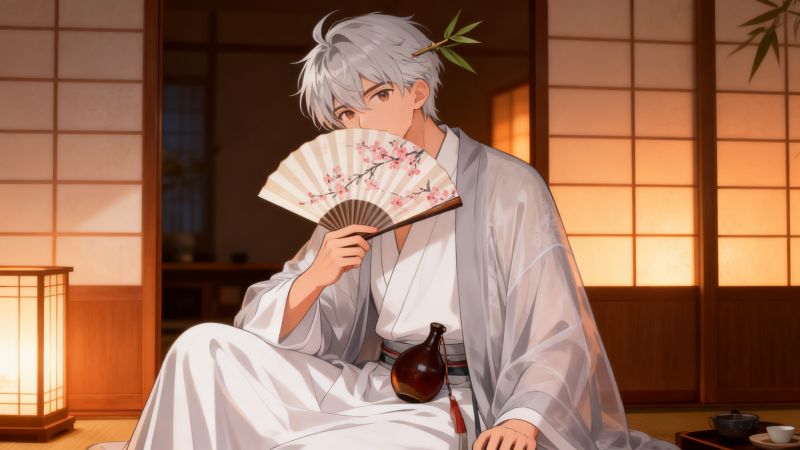
When fans debate the best male anime character, a few names come up again and again.
- Goku
- Spike Spiegel
- Edward Elric
- Levi Ackerman
- Tanjiro Kamado
Best Female Anime Characters
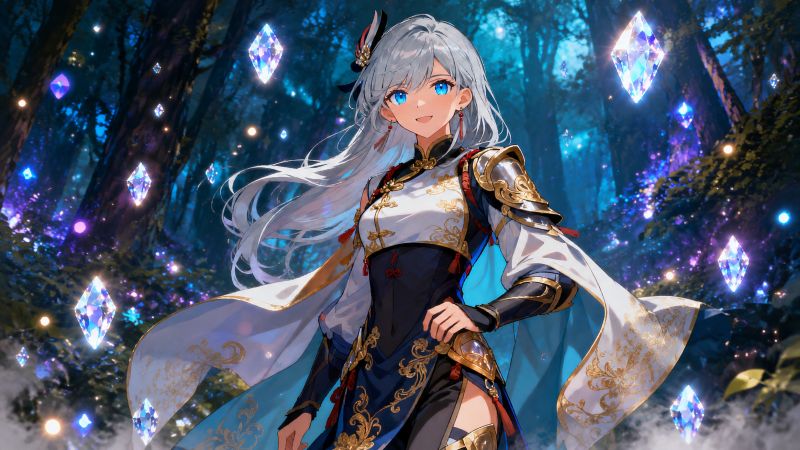
The best female anime characters have evolved dramatically over the decades, from passive love interests to fully realized leads who carry entire series. These female anime characters stand out:
- Mikasa Ackerman
- Motoko Kusanagi
- Nezuko Kamado
- Asuka Langley
- Hinata Hyuga
Villain Characters
Villain characters is the source of conflict and complexity.
Features:
- Has strong motivations or beliefs
- Creates challenges for protagonists
- Often has a complex background
- Adds depth and tension to the story
The Anti-Hero Character
The Balance Between Good and Evil of an anti-hero character.
Features:
- Follows their own moral code
- Makes questionable decisions
- Challenges traditional ideas of right and wrong
Supporting Character
NPCs play an important role in supporting main characters:
Features:
- Supports the main characters
- Adds depth to the storyline
- Provides emotional impact
- Creates memorable moments
Common Problems Users Face with Anime Characters
The problems users encounter with anime characters mainly lie in two aspects:
- creation
- use
Challenges in Creating
Lack of Ideas
One of the biggest challenges is developing a fresh and unique concept. Since countless anime characters already exist, creating a character that feels different can be difficult.
Common difficulties include:
- Difficulty Writing Effective Prompts
- Coming up with unique character concepts
- Combining different traits effectively
- Avoiding designs that feel too similar to existing characters
Without design aesthetics
Visual design plays a major role in how audiences recognize and remember anime characters. However, many creators struggle to create a design that matches the character’s personality and story.
Common challenges include:
- Choosing suitable hairstyles and outfits
- Creating a memorable color palette
- Designing unique features
- Matching appearance with character personality
No Background Interaction
A character needs more than an attractive appearance to become memorable. Without a strong background and personality, even a visually appealing character may fail to connect with audiences.
Creators often struggle with:
- Developing character backstories
- Defining motivations and goals
- Creating emotional depth
- Designing meaningful character growth
Challenges in Using
Quality and Style Limitations
The final generated image quality can also affect the character creation experience.
Common concerns include:
- Low image resolution
- Unnatural details
- Lack of professional-level results
- Copyright Infringement
How to Create Your Own Anime Character?
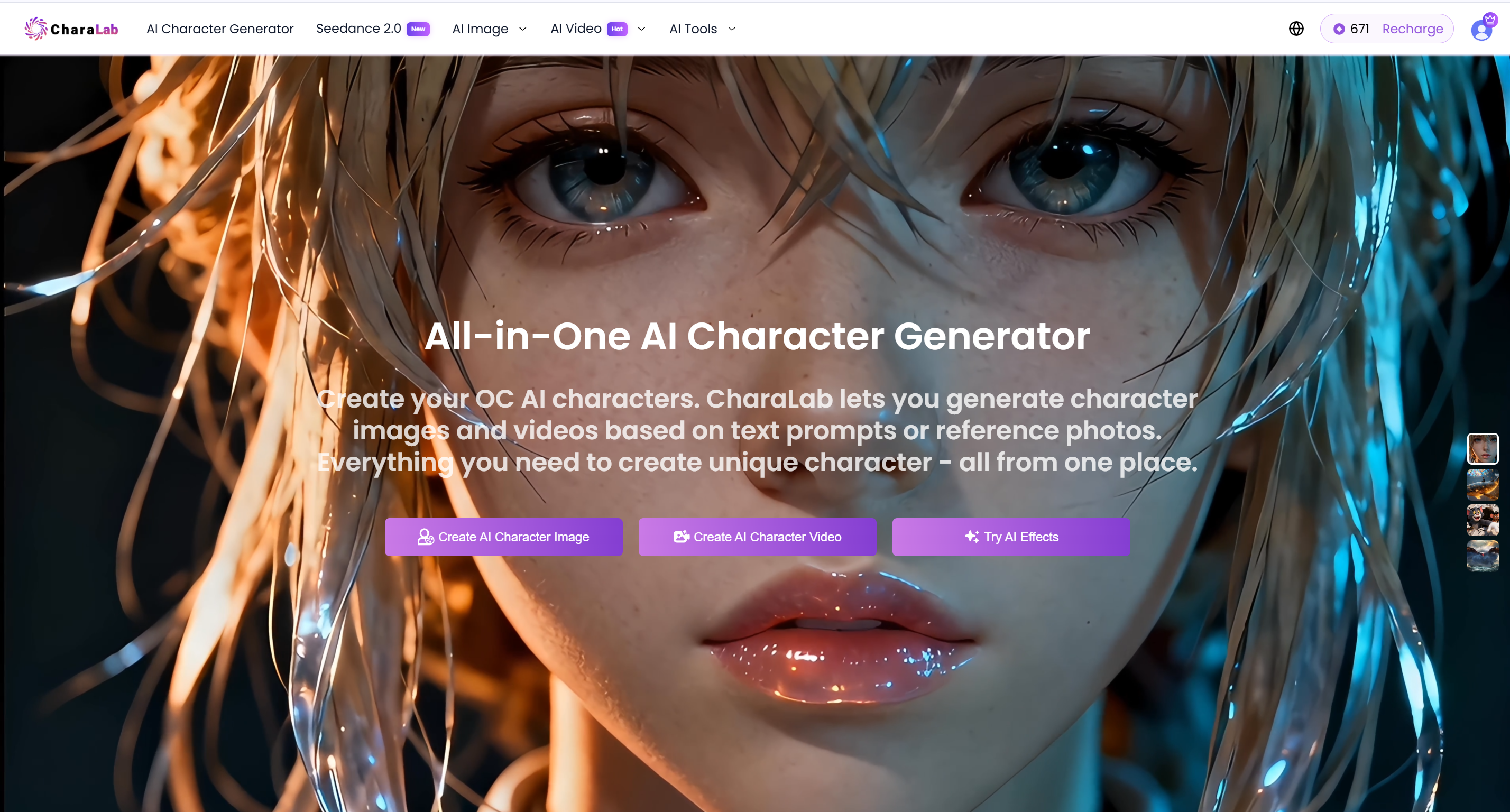
This section walks through a practical workflow. By making good use of an anime character generator like Charalab, we can maximize our efficiency.
It allows you to create original character images and videos from text or photos, building your own original AI characters.
Start With a Character Brief
Before any work, write down:
- Role: Hero, villain, sidekick?
- Core trait: confident, anxious, cunning?
- Motivation: What do they want, and what's in the way?
- Setting: Modern city, fantasy kingdom, sci-fi future?
Write a Structured Prompt
If you're using an AI generator, your prompt quality decides the result.
Try this formula:
Subject + Personality +Appearance Details + Outfit + Style
Example:
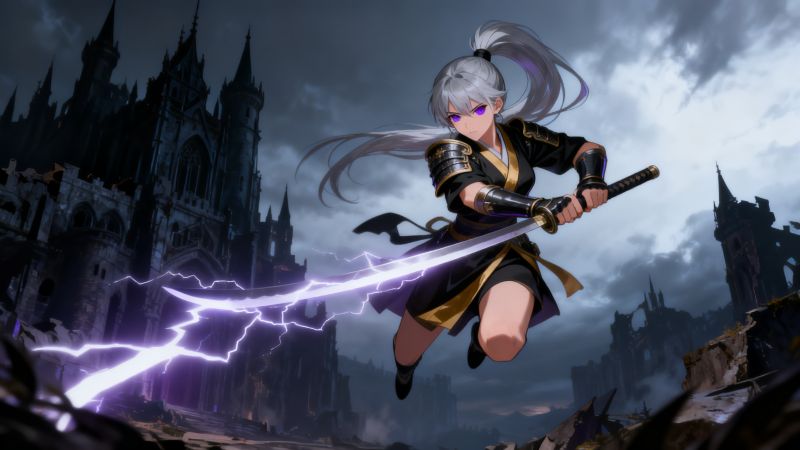
"A confident female swordmaster, sharp violet eyes, long silver hair tied in a high ponytail, wearing a black-and-gold kimono with armor plating, dynamic pose, dark fantasy anime style, dramatic rim lighting."
Pro tips:
- Name one dominant trait so the face and pose match the personality
- Add 1–2 signature details (a scar, glowing eyes, a unique weapon) for instant recognizability
- 4–6 clear descriptors beat 15 vague ones
Use Reference Images for Consistency
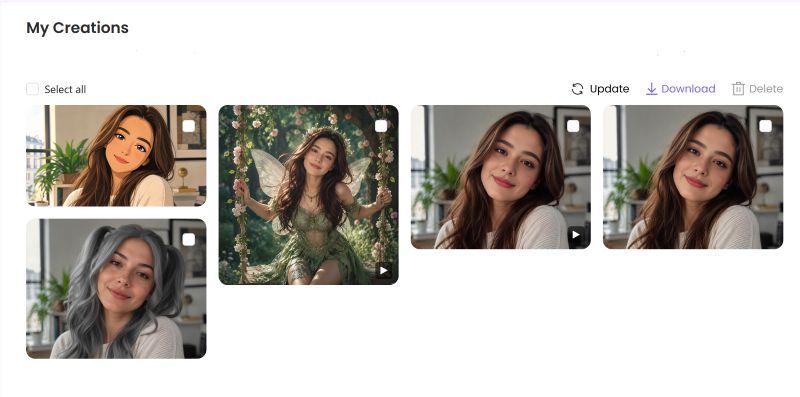
Most AI character generators (CharaLab included) let you upload a reference image. This is invaluable for:
- Turning yourself or a friend into an anime character
- Keeping a character consistent across multiple images
- Refining a rough sketch into a finished design
Pick the Right Aspect Ratio
Aspect ratio determines how your character fits into its final destination. Getting this wrong at the generation stage means cropping or awkward empty space later.
Here's a quick-reference guide:
| Aspect Ratio | Dimensions(example) | Best for | Platform |
|---|---|---|---|
| 1:1 | 1024 × 1024 | Profile pictures, grid posts, character reference cards | Discord avatars, X profile, Instagram |
| 4:3 | 1024 × 768 | Traditional screen layouts, character sheets | Older presentations, print layouts, webtoon |
| 4:5 | 1080 × 1350 | Instagram portrait posts, Pinterest vertical pins, character close-ups | |
| 3:2 | 1536 × 1024 | Photography-style character portraits, trading card proportions | photography portfolios |
| 16:9 | 1920 × 1080 | YouTube thumbnails, desktop wallpapers, landscape scenes | YouTube, desktop backgrounds, website hero images |
| 9:16 | 1080 × 1920 | Full-body character | TikTok, Instagram Reels, YouTube Shorts, phone wallpapers |
| 21:9 | 2560 × 1080 | Cinematic shots, multi-character group scenes, banner art | X header, YouTube banner, ultrawide monitors |
For character design especially:
- Character sheets: 16:9 or 4:3, gives you horizontal space to lay out multiple angles.
- Profile avatars: 1:1, always generate square so nothing gets cut off in circular crops.
- Social media shorts: 9:16, native vertical format, no letterboxing needed.
Choose the Right Resolution
Resolution directly affects where you can use the image and how much detail survives cropping or zooming.
| Quality | Example: 1:1 | Example: 16:9 | When to Use |
|---|---|---|---|
| Low | 720 × 720 | 1280 × 720 | Quick concept tests, iterations |
| Standard | 1080 × 1080 | 1920 × 1080 | Social media, blog images, most online use |
| High | 2048 × 2048 | 2560 × 1440 | High-quality social media, wallpapers |
| Ultra | 4096 × 4096 | 3840 × 2160 | prints, large posters, 4K wallpapers |
Quick mental checklist:
- Is this just for social media? 1080p is enough. Platforms compress anyway.
- Is this for a wallpaper or desktop background? Go 2K minimum, 4K preferred.
- Is this a quick draft or concept test? 720p or 1K to iterate fast; upgrade for the final version.
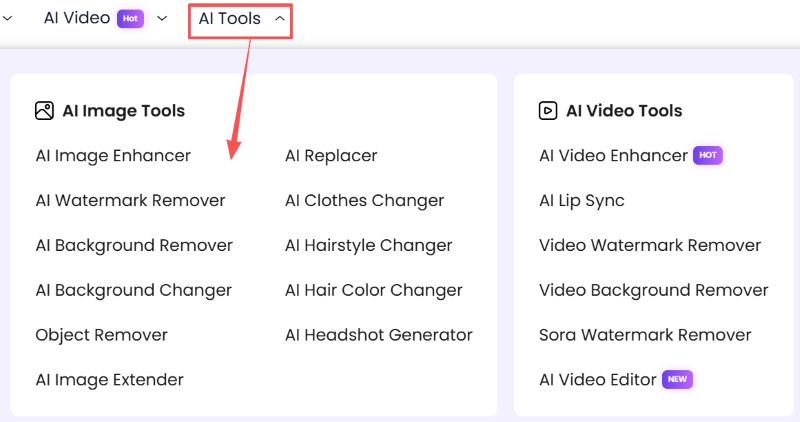
Polish With the AI Tools Suite
Before you publish or share, refine your creation:
- Remove the background to drop your character onto any scene.
- Enhance details for a crisp, high-resolution finish.
- Expand the background to reshape a portrait into a wallpaper or banner.
Best of all, every result is delivered free and watermark-free, so your original character is truly yours to use.
FAQs
Who is the best anime character of all time?
It depends on what you value. Naruto, Luffy, and Levi frequently top fan polls for emotional impact, while characters like Spike Spiegel and Edward Elric are praised for design and writing. The "best" is the one whose story resonates with you personally.
What can I do with a generated anime character?
Use it for personal projects, social media avatars, webcomics, VTuber streaming, game assets, or concept art. If you used an AI tool, check its license terms—some allow commercial use, others restrict it.
Can I reuse the same anime character across projects?
Yes, if you maintain visual consistency. When using AI generators, upload a previous image as a reference to keep key features stable. For hand-drawn work, keep a model sheet (turnaround + expression sheet) as your source of truth.
What are the main types of anime characters?
The four core archetypes are heroes, villains, anti-heroes, and supporting characters. Most series blend these—many protagonists have anti-hero traits, and the best villains have heroic origins.
How can I create my own anime character?
Start with a brief (role, trait, motivation, setting), then design the visual to match. If using AI tools, write a structured prompt (subject + personality + appearance + outfit + style + lighting) and use reference images for consistency. The methodology is the same whether you draw by hand or generate with tools like CharaLab.
Conclusion
There’s no single answer to what makes the best anime character. As we’ve seen, the "best" isn’t just about strength or popularity. It’s the character that truly matches your own imagination and vision.
Turning your ideas into an actual character used to be the hard part. That’s where CharaLab helps. Use it along with the prompt and workflow tips above, and you’ll have everything you need to go from inspiration to a finished, original character.
He is an experienced expert in AI character creation and has led the early design of many virtual character products. His step-by-step guides help creators build the AI character online from scratch. Here, he turns complex character prompts into different character styles, helping every human-machine collaboration get closer to the perfect character you imagine.